Improving loyalty program at CVS
Improving loyalty program at CVS
8 weeks
User Researcher
Product Designer
Mural, Claude Code,
Claude, Chat GPT
Team
Team
Roles
Roles
Tools
Tools
Duration
Duration
Akshay Pagar
Bhairavi Ruparel
Bhairavi Ruparel
Context
Context
CVS relaunched it's ExtraCare and ExtraCare+
loyalty programs and
CVS relaunched it's ExtraCare and ExtraCare Plus loyalty programs
The Johns Hopkins School of Medicine and Nursing approached the Institute of Design to explore the systemic barriers preventing families of children with medical complexity from making their homes safer and more functional.
The Johns Hopkins School of Medicine and Nursing approached the Institute of Design to explore the
systemic barriers preventing families of children with
medical complexity from making their homes safer and
more functional.
Challenge
Challenge

Observation #1
Observation #1
We observed that occasional users visiting
CVS store avoided subscribing to the loyalty program at the checkout.
We observed that occasional users visiting CVS store avoided subscribing to the loyalty program at checkout
Checkout experiences varied by store, some offered self-checkout, while others relied solely on staffed billing counters. We considered both these store experiences.
Checkout experiences varied by store, some offered self-checkout, while others relied solely on staffed billing counters. We considered both these store experiences.
Hypothesis
Hypothesis
Employee-assisted checkout is an inefficient
acquisition channel for occasional users
because their visit is interruption-averse.
Employee-assisted checkout is an inefficient acquisition channel for occasional users because their visit is interruption-averse.
Customers are unaware of the loyalty program
Customers are unaware of the loyalty program
Checkout is a “pay & leave” mental state.
Checkout is a “pay & leave” mental state.
Employees are operationally constrained.
Employees are operationally constrained.
My Contribution
CVS relaunched it's ExtraCare and ExtraCare Plus loyalty programs
As a product designer and researcher on this project, I leveraged strong product thinking and user research to design a CVS loyalty onboarding experience that supports new users and scales across the broader user base.
I conducted interviews to understand customer assumptions, and developed an onboarding strategy tailored to the retail context. I then collaborated with my team to design and prototype the experience, using AI-driven techniques.
The Johns Hopkins School of Medicine and Nursing approached the Institute of Design to explore the
systemic barriers preventing families of children with
medical complexity from making their homes safer and
more functional.
We solved for this?
Employee-assisted checkout is an inefficient acquisition channel for occasional users because their visit is interruption-averse.
How might we encourage infrequent users to sign up for the loyalty program during their in-store journey?
Employee-assisted checkout is an inefficient acquisition channel for occasional users because their visit is interruption-averse.
Key Outcomes
CVS relaunched it's ExtraCare and ExtraCare Plus loyalty programs
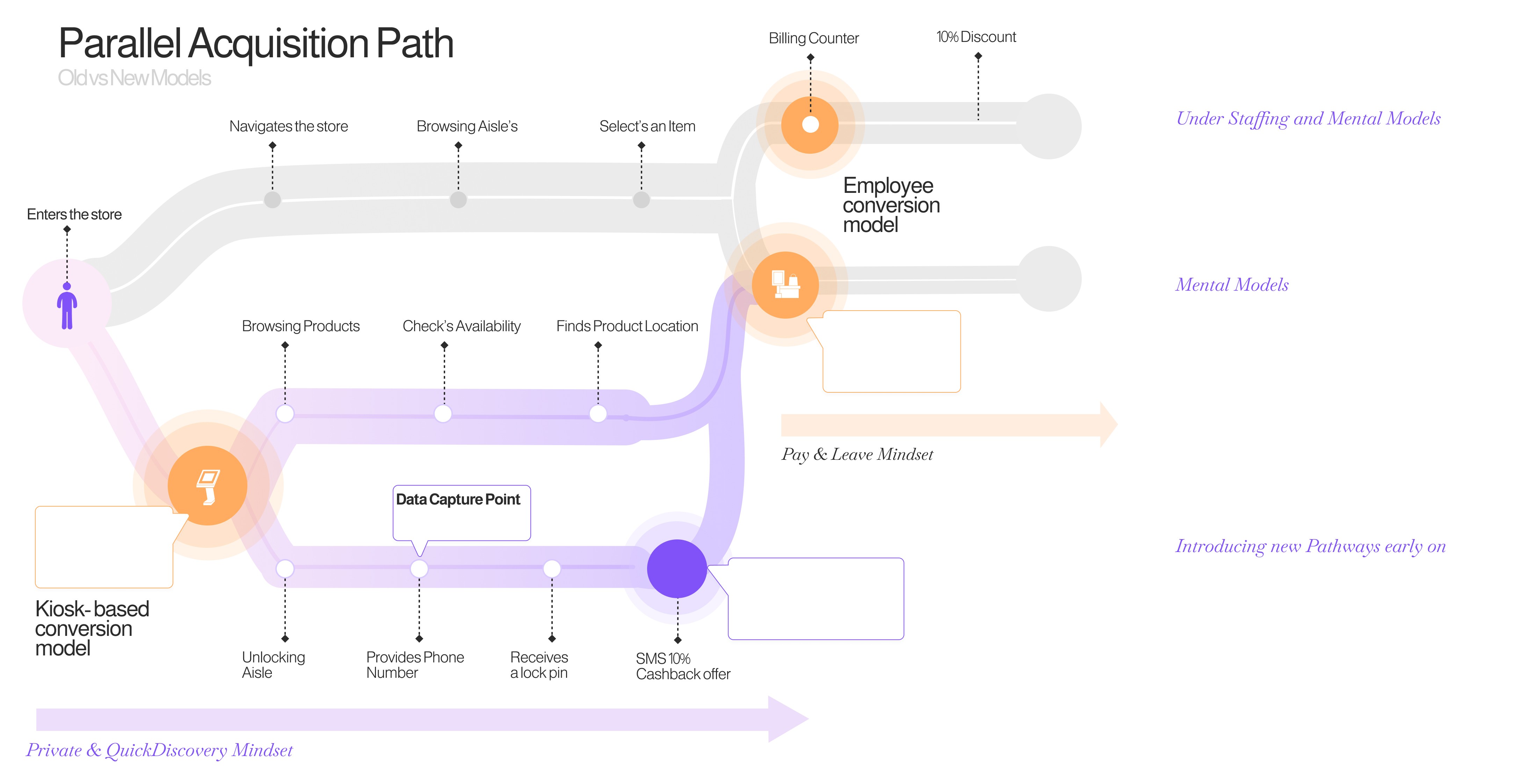
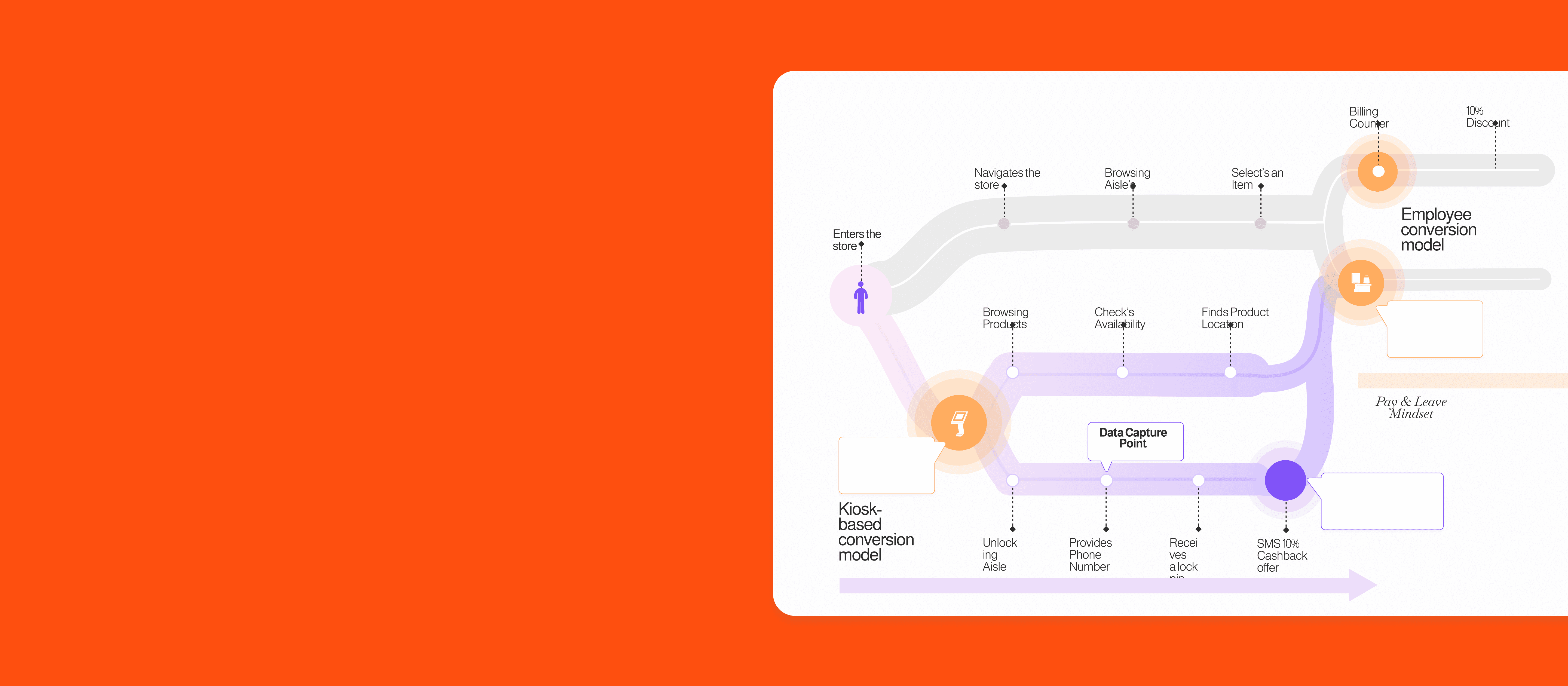
Developed an experience strategy with a new pathway to drive loyalty conversions earlier in the in-store user journey.
Defined two user profiles to ground key prototype use cases and address core user expectations and needs.
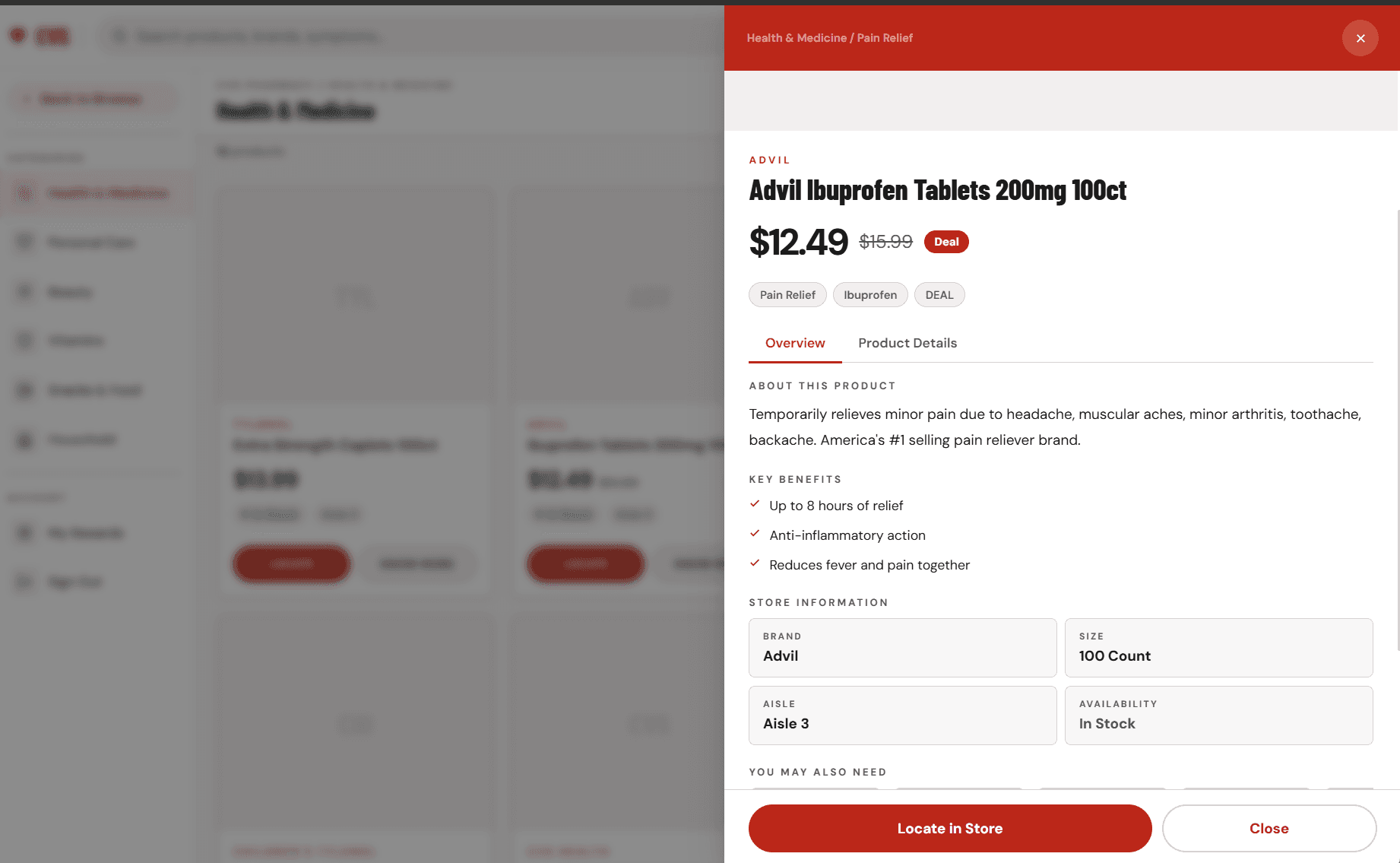
Developed the kiosk interaction flow, improving and translating the CVS app experience into a kiosk context.
The Solution
CVS relaunched it's ExtraCare and ExtraCare Plus loyalty programs
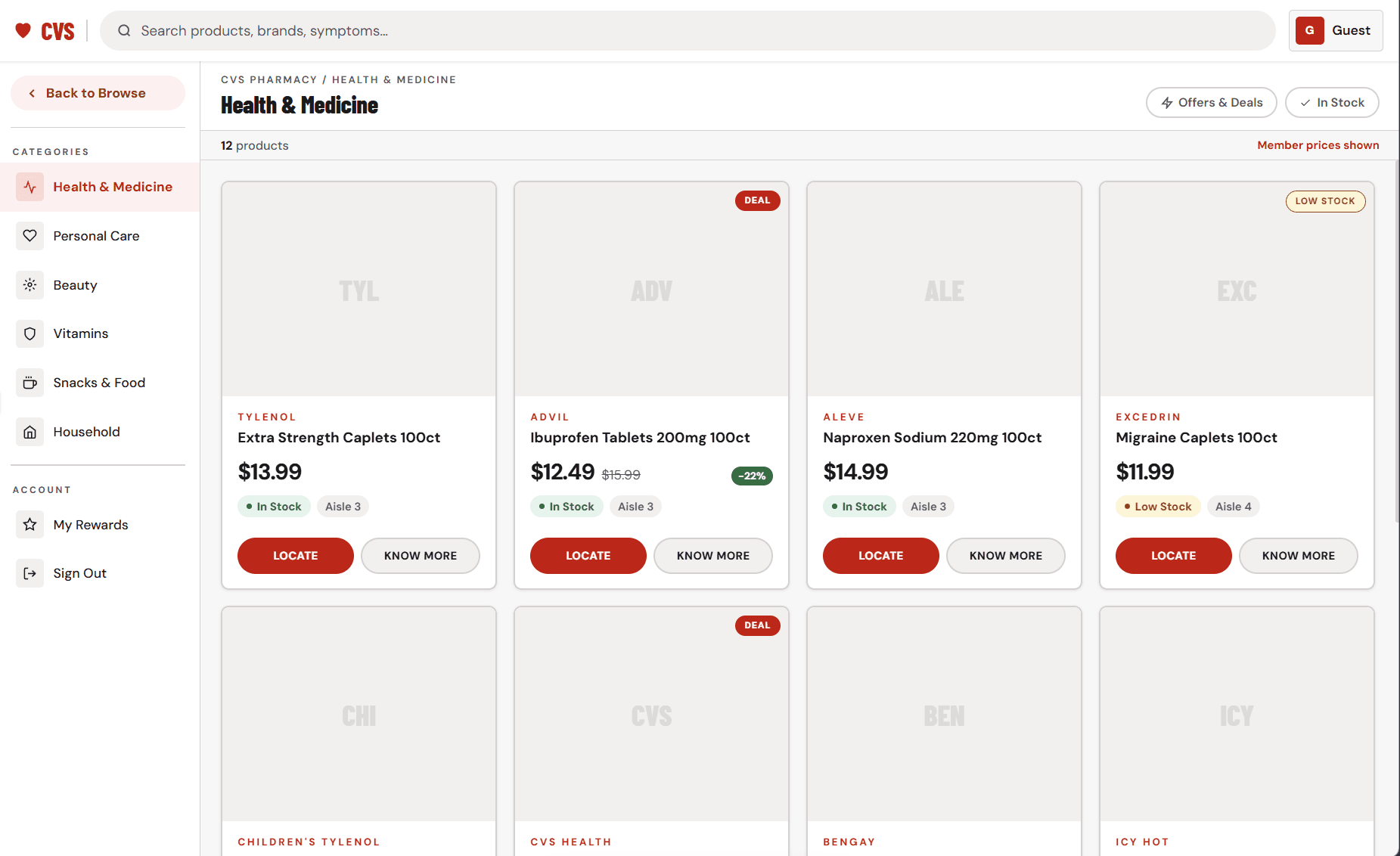
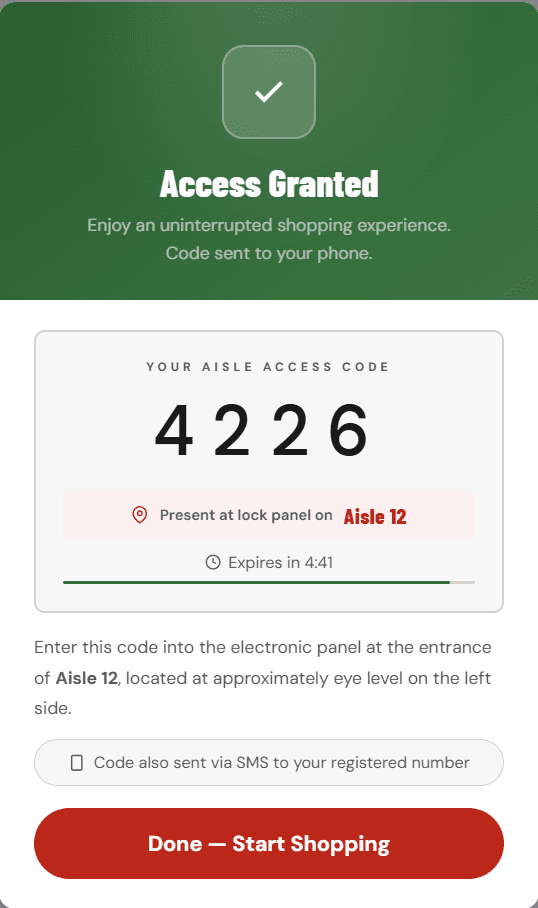
A new in-store experience to guide discovery and ease aisle access
CVS relaunched it's ExtraCare and ExtraCare Plus loyalty programs
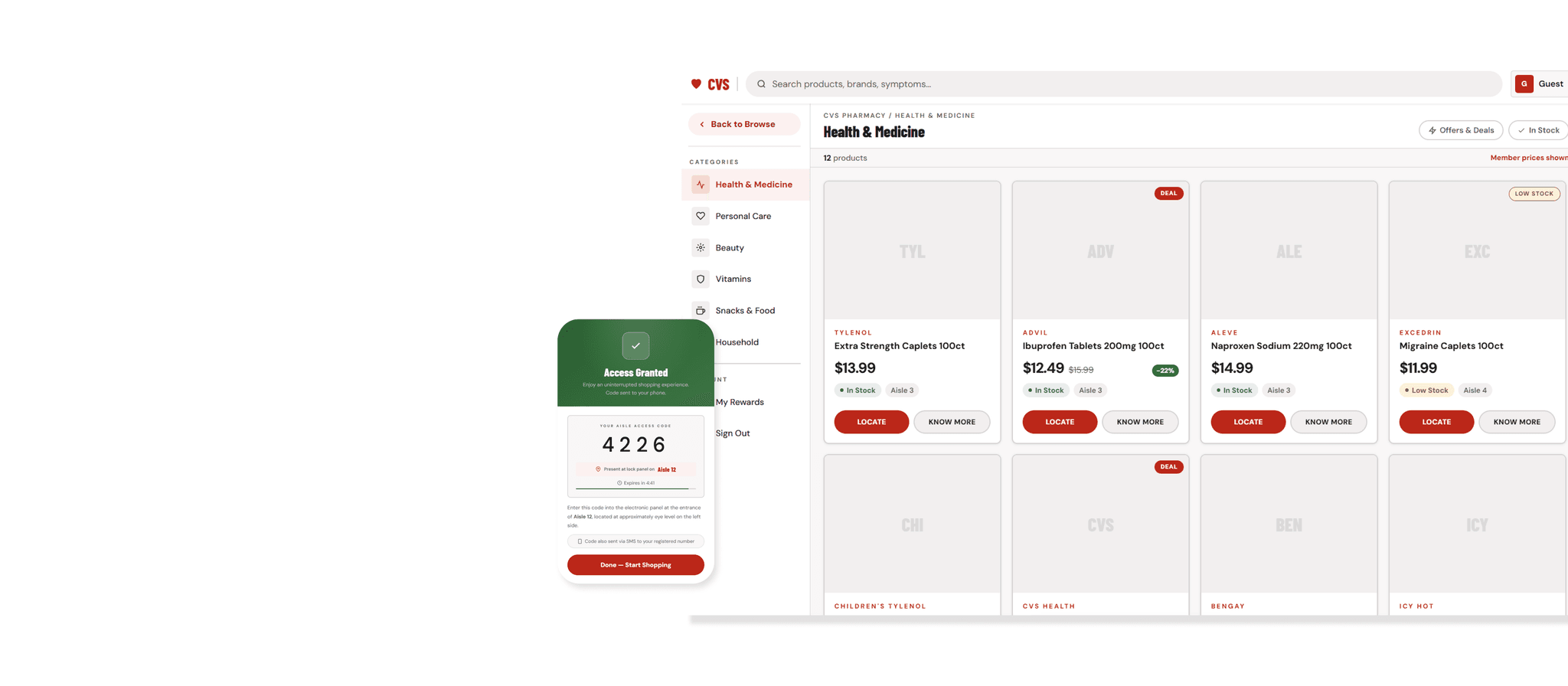
We designed a kiosk experience that helps users discover relevant product offers in-store while enabling them to self-unlock aisles for a seamless, uninterrupted experience.
This introduces a new acquisition pathway early in the journey—when users are still in a discovery mindset—surfacing offers in real time while maintaining user control and privacy.
The Johns Hopkins School of Medicine and Nursing approached the Institute of Design to explore the
systemic barriers preventing families of children with
medical complexity from making their homes safer and
more functional.
Research & Design Process
Research & Design Process
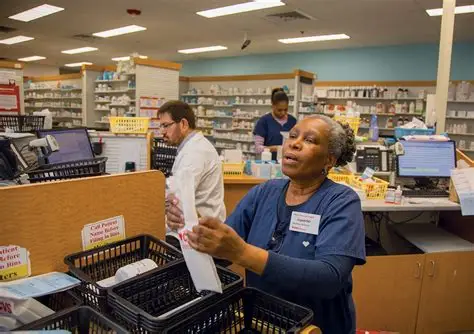
2 in-store site visits to map end-to-end signup and employee interaction
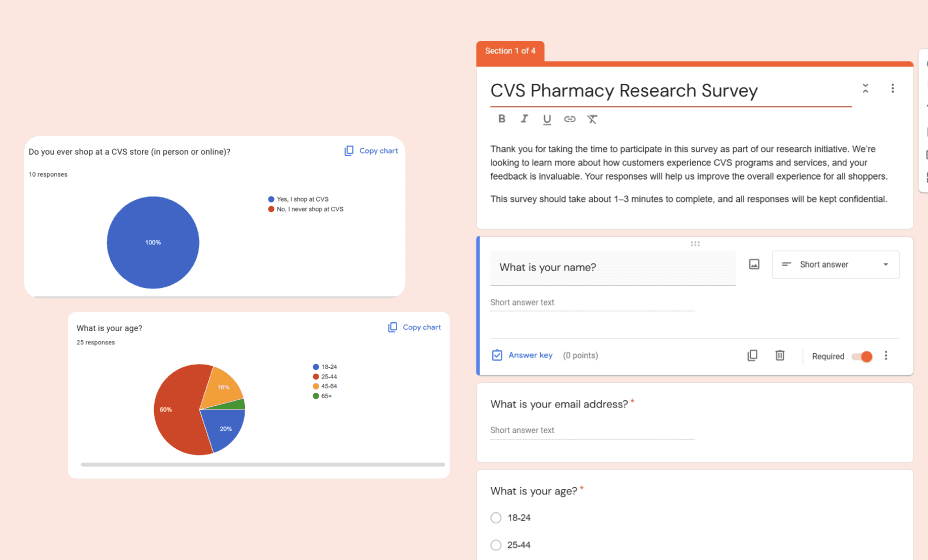
1 survey with 45+ participants to identify spending patterns, and brand loyalty.
10+ exploratory interviews to uncover user needs, motivations, and pain points.
2+ ideation & prototyping sessions to develop early concepts.